India-China relations, from conflict to cautious thaw
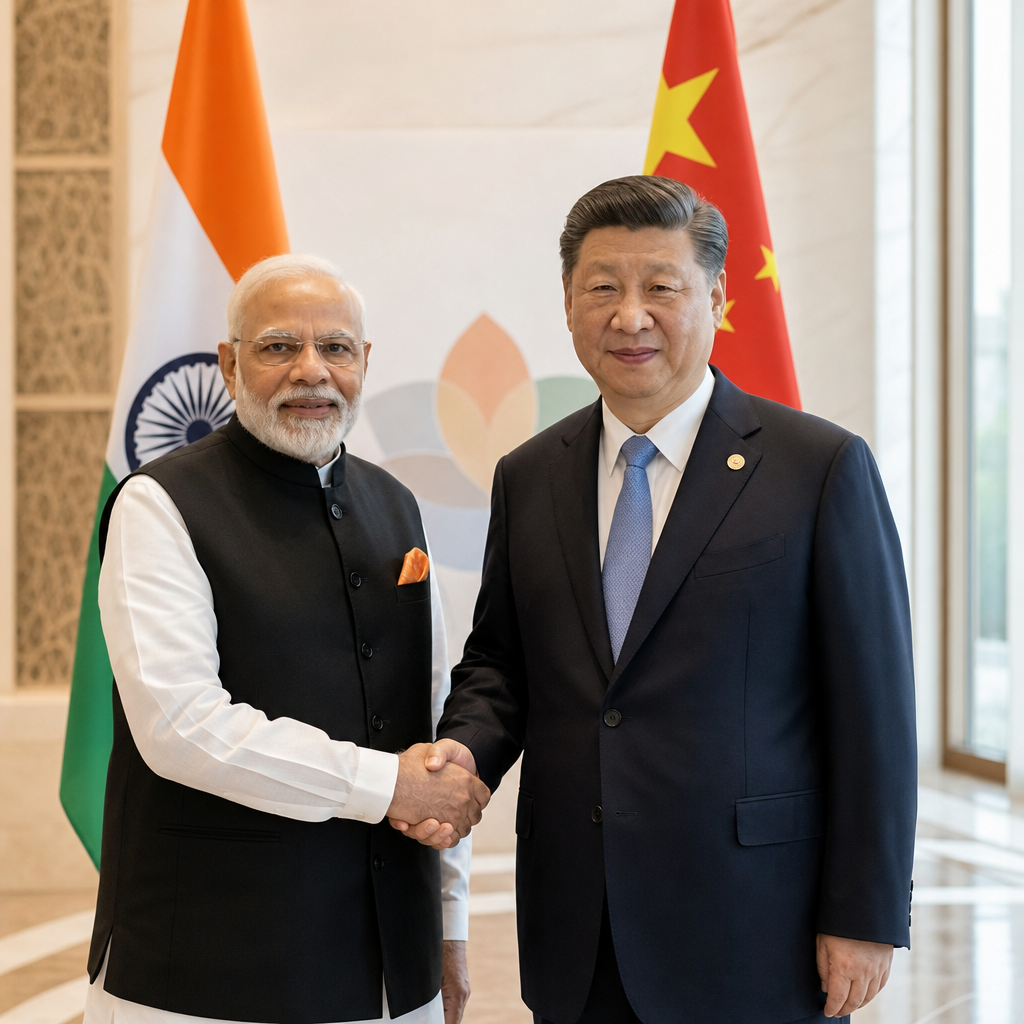
Indian Prime Minister Narendra Modi and Chinese President Xi Jinping will hold talks on Saturday on the sidelines of the BRICS summit in New Delhi, the latest step in a cautious effort to steady relations after years of friction. Since the border clashes and the Galwan Valley incident in 2020, ties have gradually shifted from confrontation to guarded engagement, punctuated by disengagement agreements, routine military talks, and limited high-level contact. Analysts say the relationship has moved from hostility toward a working, if fragile, stability, with both sides emphasising the importance of avoiding a relapse into open conflict. Border management remains the core issue, with New Delhi pressing for a durable disengagement along the Line of Actual Control and Beijing stressing the need to maintain peace along the frontier as a prerequisite for broader cooperation. Economically, China remains India’s largest trading partner, but trade is skewed in China’s favour and New Delhi seeks fair market access, reduced deficits, and a more diversified supply chain. The two governments have also used multilateral forums and regional diplomacy to expand dialogue, while avoiding sweeping diplomatic breakthroughs on sensitive topics. The Modi-Xi talks occur as New Delhi seeks pragmatic engagement with Beijing within BRICS and other multilateral structures, aiming to prevent a relapse into the tensions of the past while charting a path toward more predictable ties.
Independently corroborated by other sources.