Flu activity is ramping up early this year. Is a mutated H1N1 strain to blame?
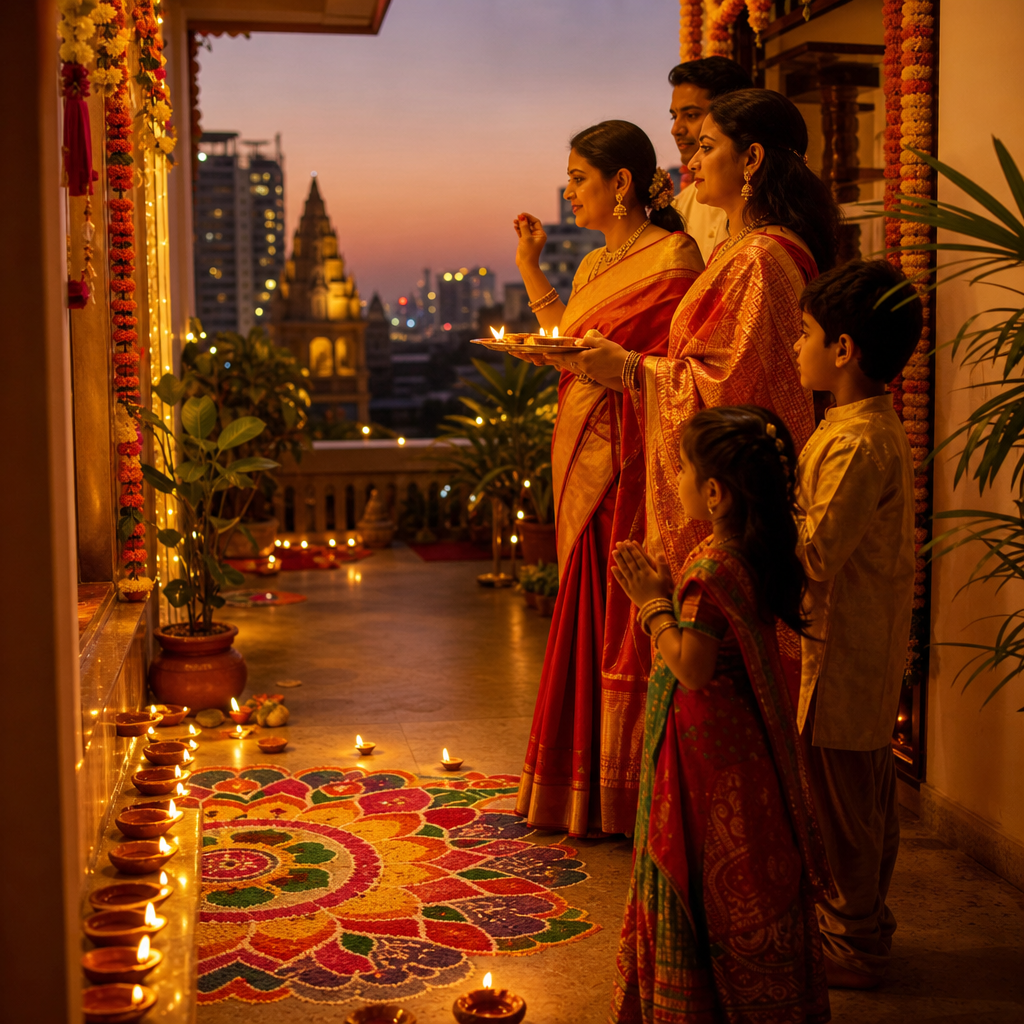
Diwali is the festival of lights celebrated by Hindus, Sikhs, Jains and Buddhists, with more than a billion people in India and the diaspora. The name Diwali, from Deepavali, means a row of lamps. It typically falls in late October or early November; this year it is on Nov. 8. Origin stories vary by region: in the south, Krishna’s victory over the demon Naraka; in the north, the triumphant return of Rama, Sita and Lakshmana after exile. Common traditions include lighting lamps, fireworks, feasting, new clothes and prayers. In the south, followers anoint with warm oil as a purification ritual; in the north, Lakshmi is worshipped for wealth and prosperity. Gambling is linked to the night, and many buy gold on Dhanteras, the first day, hoping for luck. Rangoli patterns decorate floors. Other faiths’ observances include Jains' nirvana of Mahavira, Sikhs' Bandi Chhor Divas, and Buddhists' remembrance of Ashoka's conversion. The article notes celebrations in North America, such as Disney World in Florida and Times Square in New York, among community events; California recently made Diwali an official state holiday. The report is from Associated Press with The Conversation US, funded by Lilly Endowment Inc., and is presented in a neutral, factual tone.
Independently corroborated by other sources.