Curcumin, Turmeric’s Main Active Compound, Shows Potential in Studies
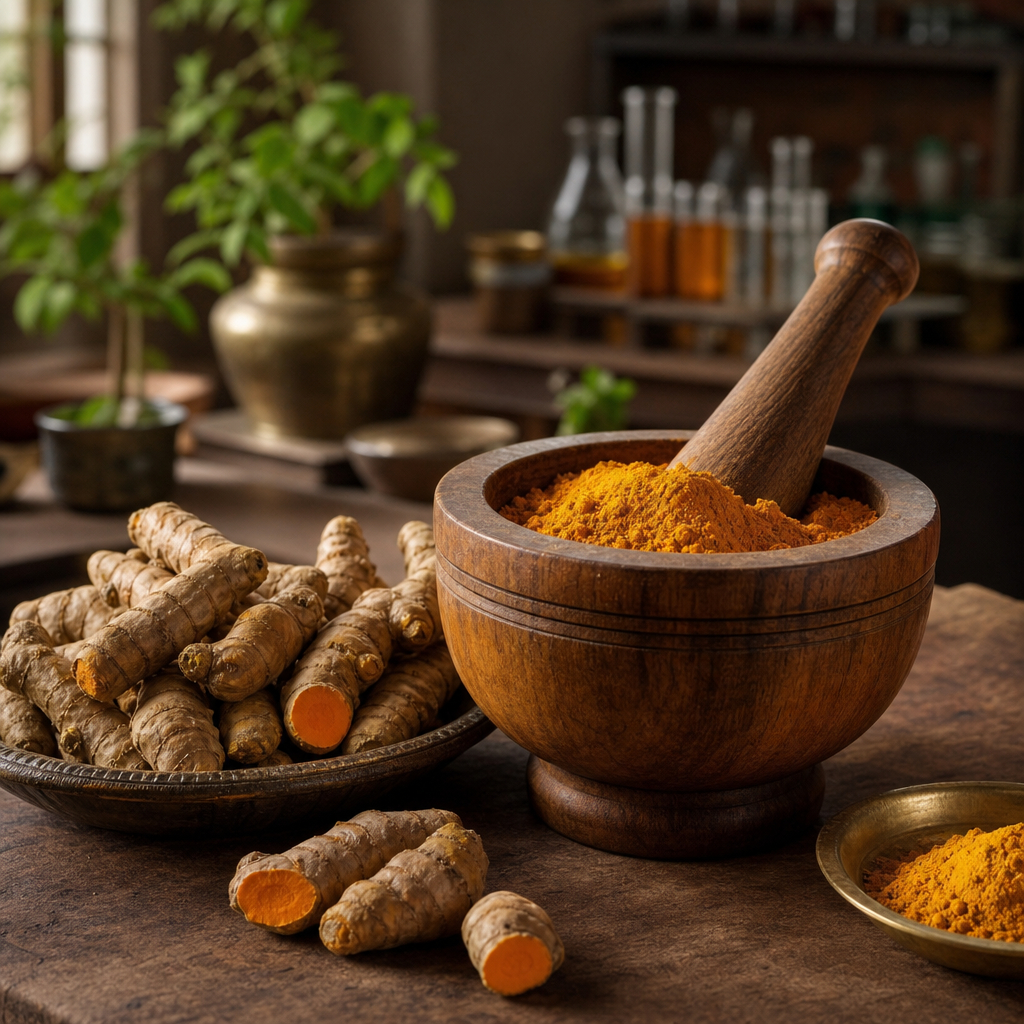
Turmeric, a spice long used in Indian cooking and Ayurvedic medicine, owes its health claims to curcumin, the root's principal active compound. In recent years, curcumin has shifted from a kitchen spice to the subject of clinical research focused on its anti-inflammatory properties and its potential to support conventional treatments for various inflammatory conditions. Scientists are examining whether curcumin can modulate inflammatory signaling pathways, reduce circulating inflammatory markers, and complement standard therapies. Early studies have reported potential benefits in conditions such as osteoarthritis and inflammatory bowel disease, as well as broader uses in metabolic and neuroinflammatory contexts; however results are mixed and many trials show modest effects. A major hurdle is curcumin's poor oral bioavailability, which has driven research into formulations that improve absorption, including nanoparticles, lipid-based carriers, and adjuvants, as well as higher-dose regimens. Safety profiles are generally favorable at typical dietary intakes, but higher-dose use requires caution due to possible gut symptoms and interactions with other medications. Experts emphasize that curcumin is not a proven cure and that robust, large-scale randomized trials are needed to establish efficacy, optimal doses, long-term safety, and quality-control standards in supplements. For the Indian diaspora, turmeric remains an emblem of culture, while science continues to explore where curcumin might fit as an adjunct not a replacement for conventional therapies.
Independently corroborated by other sources.