1 killed and 3 wounded in shootings on Winston-Salem State University campus
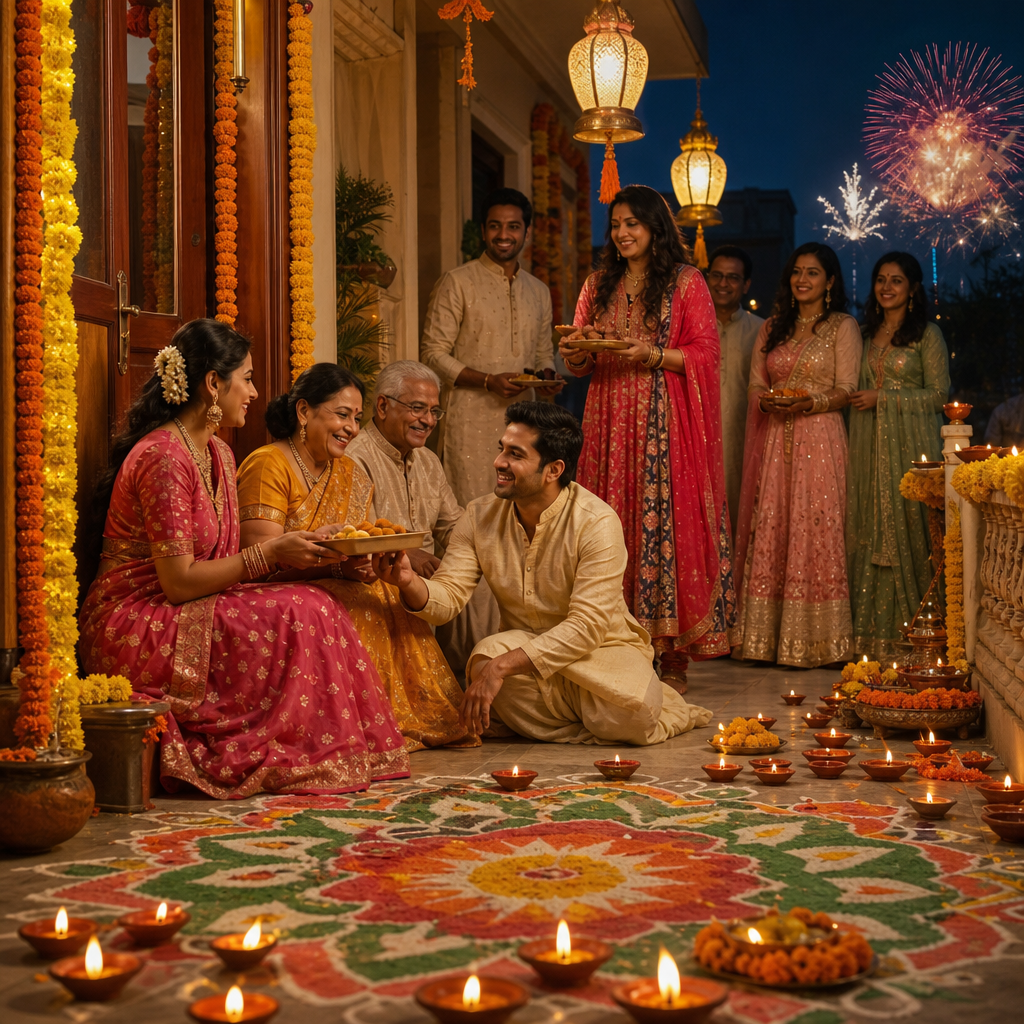
Diwali, the festival of lights, is the most important celebration for Hindus and is widely observed by Sikhs, Jains and Buddhists. The name derives from Deepavali, meaning 'a row of lights,' and celebrants place clay lamps outside their homes to symbolize the victory of light over darkness and knowledge over ignorance. The festival follows the Hindu lunar calendar and typically falls in late October or early November; this year it falls on or around Nov. 8. Traditions vary by region but share core themes: lights, fireworks, feasting, new clothes and prayers. In southern India, many people perform an early‑morning oil bath for purification, while in the north worship centers on the goddess Lakshmi, symbolizing wealth and prosperity. Many families also exchange sweets and gifts, and gambling is a traditional hope for prosperity on Diwali night. Dhanteras, the first day, is a time to buy gold for good luck. Rangoli patterns brighten floors as colors are spread on the ground. Jain and Sikh observances run parallel: Mahavira’s nirvana is remembered by Jains; Bandi Chhor Divas overlaps with Diwali for Sikhs. Diaspora communities in North America host large celebrations—from theme park events to citywide festivals—reflecting the festival’s growing footprint. The AP’s reporting notes collaboration with The Conversation US and Lilly Endowment funding.
Independently corroborated by other sources.